
The menopause supplement aisle is, to put it gently, mostly marketing. The evidence for most branded “menopause blend” products is poor, the dosing in proprietary formulas is often sub-therapeutic, and the category as a whole is lightly regulated. That’s the bad news.
The good news: some individual ingredients have real evidence. Some have more modest evidence but are consistently reported as helpful by large menopause communities. And some popular products can be confidently skipped.
Where supplements fit (and don’t fit)
Supplements are not a replacement for hormone therapy where HRT would be clinically appropriate. They are an addition for targeted symptoms, or an alternative when HRT isn’t on the table — by choice, contraindication, or access. Most women won’t be able to “supplement their way out of” severe vasomotor symptoms; HRT is simply more effective.
The supplements with the most consistent support
Magnesium glycinate — for sleep disruption, anxiety, and the 3am wakeup. The single most frequently recommended supplement in online menopause communities.

Pure Encapsulations Magnesium Glycinate
Best for:Sleep + anxiety
Vitamin D3 (with K2) — for bone health and, if deficient, mood. Ask for a 25-OH vitamin D level before mega-dosing.

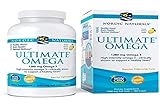
Omega-3 (EPA + DHA) — for brain fog and joint inflammation. General cardiovascular evidence is strong; menopause-specific benefit is more subjective but widely reported.
Ashwagandha (KSM-66) — for anxiety and cortisol dysregulation. Multiple randomized trials support it for stress. Not appropriate if you have autoimmune thyroid disease.

Supplements with modest evidence but strong community support
Collagen peptides. Evidence for joints is modest; subjective skin improvement is more consistent. A reasonable try if HRT isn’t an option and joints/skin are your concern.
B12 (methylcobalamin). If you’re deficient, it’s meaningful. If you’re not, it’s not. Get a level checked first, especially if you’ve been on a PPI long-term or follow a plant-based diet.
Lion’s Mane. Early cognitive evidence; widely used in brain-fog communities. Not definitive but reasonable as a complement.
Evening primrose oil. Popular in menopause communities for hot flashes. Randomized trial data is limited and inconsistent. We list it as an honest mention rather than a confident endorsement.
What to skip (and why)
- Black cohosh for hot flashes — mixed evidence; rare but real liver safety signals
- Red clover isoflavones — weak evidence; avoid if hormone-sensitive cancer history
- Maca powder — underwhelming on rigorous menopause-specific evidence
- Most “menopause blend” multivitamins — sub-therapeutic doses of active ingredients
- Anything with a proprietary blend and no ingredient disclosure
How we cover supplements on this site
Each ingredient gets its own article covering: what it is, evidence strength, dosing ranges, interactions, who shouldn’t take it, and honest community sentiment. Clinical reviewer sign-off on every recommendation.
Our evidence-ranked roundup summarizes all of this. The symptom navigator is organized by what’s bothering you.