
If you were going to take exactly three supplements in menopause before considering anything else, these are the three most consistently supported choices. None of them are glamorous. All three have real evidence behind them. Two of them should ideally be guided by a lab test.
1. Vitamin D3 (with K2)
Bone density drops fast in the first 5 years post-menopause. Vitamin D deficiency is common, testable, and fixable. D3 paired with K2 helps direct calcium to bone rather than soft tissue, which matters at the doses most women end up on.

Approach: Get a 25-OH vitamin D level. If you’re under 30 ng/mL, supplement. Typical daily dose 1,000–2,000 IU D3; higher if significantly deficient and under clinician guidance. K2 at 90–180 mcg pairs well.
2. Vitamin B12 (methylcobalamin)
B12 deficiency mimics menopause symptoms — fatigue, brain fog, mood changes, tingling in extremities. It’s especially common in women over 40 who are on PPIs, metformin, or who follow plant-based diets. Correction of deficiency is one of the more reliably satisfying interventions in women’s health.
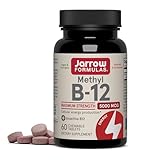
Jarrow B12 Methylcobalamin
Best for:Brain fog + energy (if deficient)
Approach: Ask for a B12 level (and ideally a methylmalonic acid or homocysteine as more sensitive markers). If low or low-normal, supplement methylcobalamin 1,000 mcg daily. If you’re already replete, more doesn’t help.
3. Magnesium glycinate
The single most commonly recommended supplement in perimenopause sleep threads. Generally well-tolerated, low cost, and the form (glycinate) matters.

Pure Encapsulations Magnesium Glycinate
Best for:Sleep + anxiety
Approach: 200–400mg elemental magnesium 30–60 minutes before bed. No lab test required to start a trial. Give it 2–3 weeks to judge.
What this combination typically does
- Vitamin D addresses bone health and often subjective mood if you were deficient
- B12 addresses brain fog and energy if you were deficient
- Magnesium addresses sleep disruption and anxiety
None of them touch hot flashes directly. None of them substitute for HRT where HRT is the right answer. But they cover reversible non-hormonal contributors to the menopause symptom cluster, and they’re cheap enough that “rule these out first” is reasonable strategy.
What they are not
These three supplements do not treat hot flashes, vaginal dryness, or joint pain directly. They address commonly coexisting deficiencies and the sleep/anxiety side of the menopause symptom complex. For vasomotor symptoms, HRT remains the most effective treatment.
A note on calcium
You’ll notice calcium isn’t on this list. Reason: for most women, dietary calcium (from food) plus vitamin D is preferable to calcium supplementation, which has come under some cardiovascular scrutiny. Aim for 1,000–1,200 mg daily from food where possible.
Order of operations
If you’re starting from zero, the reasonable order is:
- Get lab tests (B12, 25-OH vitamin D, TSH, CBC, comprehensive metabolic panel)
- Correct any deficiencies found
- Add magnesium glycinate empirically for sleep/anxiety
- Address the underlying menopause symptom pattern separately (HRT conversation if appropriate)
Everything else — collagen, Lion’s Mane, black cohosh, adaptogens — comes after this foundation is solid.