Menopause Supplements by Symptom: Pick by What's Bothering You

Last reviewed: April 2026
Most supplement roundups rank products. That's useful if you know what you want. If you're staring down a specific symptom — the 3am wakeup, the brain fog, the joint pain that came from nowhere — this is organized the way you'd actually search: symptom first, product second.
ℹ️ Where supplements fit
Supplements are not a replacement for hormone therapy where HRT is clinically appropriate — they are an addition or an alternative when it isn't. For the most-dismissed symptoms (joint pain, hot flashes, sleep), HRT frequently produces a more dramatic improvement than any supplement.
Hot flashes & night sweats
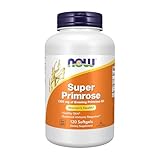
First-line evidence-based options are hormone therapy and certain SSRIs. Among supplements, evening primrose is the most frequently reported helpful — with the caveat that trial data is limited.
Sleep disruption / 3am wakeups
Magnesium glycinate is the most recommended supplement for sleep across perimenopause communities. Ashwagandha can help if cortisol and anxiety are driving the wakeups.

Pure Encapsulations Magnesium Glycinate
Best for:Sleep + anxiety
$24.80
Check on Amazon →FTC disclosure
Brain fog & memory
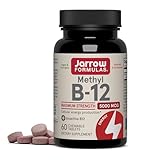
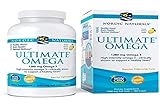
Correct B12 and vitamin D deficiencies first. Omega-3 and Lion's Mane are reasonable additions. HRT is often the most effective intervention for hormonally-driven brain fog.

Anxiety & mood
Ashwagandha has the most supportive trial data among supplements. Omega-3 and magnesium may help. Persistent mood changes warrant a clinical conversation.
Pure Encapsulations Magnesium Glycinate
Best for:Sleep + anxiety
$24.80
Check on Amazon →FTC disclosureJoint pain
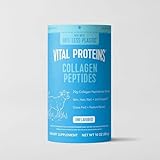
HRT often provides the most dramatic relief for estrogen-related joint pain. Collagen peptides and omega-3 are reasonable supplement options.
Bone density
Vitamin D3 with K2 and adequate calcium intake are foundational. HRT is also preventive for bone loss.

Vaginal dryness
Vaginal estrogen is the most effective intervention and is often usable even when systemic HRT isn't. Hyaluronic acid vaginal moisturizers are a non-hormonal option.

Gut / bloating
A clinically studied probiotic can help gut and estrobolome support. Magnesium glycinate also helps constipation in some women.

Pure Encapsulations Magnesium Glycinate
Best for:Sleep + anxiety
$24.80
Check on Amazon →FTC disclosure