Best Supplements for Menopause 2026 (Ranked by Evidence + What 330K Women Report)

The menopause supplement aisle is 80% marketing and 20% evidence. This guide is the reverse: we rank what's worth trying by the strength of the data behind it, mention what women in our community consistently report, and flag the popular products we can't recommend. Clinical reviewer sign-off on every recommendation.

Quick comparison

Magnesium Glycinate Check price Vitamin B12 Check price Vitamin D3/K2 Check price Ashwagandha Check price Collagen Peptides Check price Omega-3 Check price Evening Primrose Oil Check price
Best For Sleep, anxiety Brain fog, energy Bone health, mood Anxiety, cortisol Joints, skin, hair Brain fog, joint pain Hot flashes
Typical Daily Dose 200–400mg 1,000mcg 1,000–2,000IU D3 300–600mg KSM-66 10–20g 1,000–2,000mg EPA+DHA 500–1,300mg
Evidence Strength Moderate Moderate (if deficient) Strong Moderate Mixed Strong (general) Limited
Approx. Cost $15–$30 $12–$20 $25–$40 $20–$30 $25–$45 $35–$60 $15–$25
Check price Check price Check price Check price Check price Check price Check price

Our picks

#1 — Best Overall

What it is: A highly bioavailable form of magnesium bound to glycine. The glycinate form is less likely to cause GI side effects than magnesium oxide or citrate.

Why we picked it: Magnesium glycinate is the most consistently recommended supplement for perimenopause sleep in online women\'s health communities. The mechanism (NMDA receptor modulation, GABA support) is plausible and some women describe it as "the single thing that changed sleep."

Potential downsides: A minority of users report it actually worsens their sleep or causes vivid dreams. If that\'s you, stop and try a different magnesium form or skip it.

Bottom line: The first supplement most women should try for menopause sleep disruption.
#2 — Best for Brain Fog

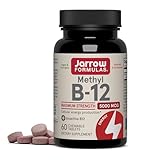
What it is: The active methylated form of vitamin B12, better absorbed than cyanocobalamin for many people.

Why we picked it: B12 deficiency is common in women over 40, especially those on PPIs or plant-based diets, and it mimics menopause brain fog. Correcting a deficiency can produce a dramatic subjective improvement.

Potential downsides: If your B12 is already normal, more won\'t help. Ask your clinician to check your level.

Bottom line: Worth checking the deficiency first — then supplement if indicated.

#3 — Best for Bone Health

What it is: Cholecalciferol (D3) paired with vitamin K2 to direct calcium to bone rather than soft tissue.

Why we picked it: Bone density drops rapidly in the first 5 years post-menopause. Vitamin D status is fixable and the evidence base is strong. K2 pairing is supported for cardiovascular safety at higher D3 doses.

Potential downsides: Get your 25-OH vitamin D level checked before mega-dosing.

Bottom line: Non-negotiable for most menopausal women after deficiency confirmation.

#4 — Best for Anxiety

What it is: An adaptogenic herb with multiple randomized trials for stress and anxiety. KSM-66 is the most-studied standardized extract.

Why we picked it: Meaningful evidence for cortisol reduction and subjective anxiety improvement. Widely reported benefit in perimenopause communities for the anxiety-rage-insomnia cluster.

Potential downsides: Not appropriate if you have autoimmune thyroid disease (can stimulate thyroid) or are on immunosuppressants.

Bottom line: A reasonable try for women whose main symptom is anxiety or cortisol dysregulation.

#5 — Best for Joints

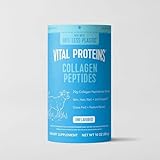
What it is: Hydrolyzed bovine collagen, dosed at 10–20g per day.

Why we picked it: Many women report subjective skin and joint improvement at the 8–12 week mark. Evidence for joint pain is modest; evidence for skin elasticity is slightly better.

Potential downsides: Not a miracle — if you\'re expecting to reverse menopause joint pain in a week, you\'ll be disappointed.

Bottom line: Reasonable try for skin and joint concerns if HRT isn\'t an option for you.

#6 — Best for Inflammation

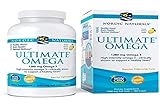
What it is: Concentrated EPA + DHA from fish oil, third-party tested for purity.

Why we picked it: The evidence base for omega-3 supports cardiovascular and cognitive benefit generally. Many women in peri-menopause communities report brain fog improvement.

Potential downsides: Can thin blood at higher doses — tell your prescriber if you\'re on anticoagulants.

Bottom line: A good general-health addition that may also help brain fog and joint inflammation.

#7 — Honest Mention

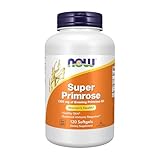
What it is: A source of gamma-linolenic acid (GLA), commonly used in menopause communities for hot flashes.

Why we picked it: Women on r/Menopause widely report benefit, though randomized trial data is limited and inconsistent. We include it as an honest mention, not a confident endorsement.

Potential downsides: Mild GI effects; possible interaction with anticoagulants.

Bottom line: Worth a 3-month trial if you\'re not ready for HRT and hot flashes are your primary symptom. Not a substitute if HRT is clinically appropriate.

What didn't make our list (and why)

Black cohosh: Frequently marketed for hot flashes; evidence is mixed and there have been (rare) liver-safety signals. Some women benefit; many report no effect. Not in our top list because better-evidence options exist first.

Red clover isoflavones: Phytoestrogen with mixed and generally underwhelming trial results. Avoid if you have a history of hormone-sensitive cancer.

Most "menopause blend" multivitamins: Sub-therapeutic doses of several ingredients to fit a marketing story. Pay more attention to the dose than to the product name.

Maca powder: Popular on social media; underwhelming on rigorous evidence for menopause symptoms specifically.

Frequently Asked Questions

Which supplement is most consistently recommended for menopause sleep?
Magnesium glycinate is the single most frequently recommended supplement for perimenopause and menopause sleep in online women's health communities. The glycinate form is generally well-tolerated and typically taken 30–60 minutes before bed. A minority of people report it worsens their sleep — if it doesn't work for you after a week or two, it's reasonable to stop.
Do menopause supplements actually work?
Some do, for some women, for some symptoms — and the evidence varies dramatically across products. Vitamin D, omega-3, and magnesium have the strongest general-health evidence. Black cohosh, red clover, and "menopause blend" proprietary formulas have mixed or weak evidence. Supplements are not a substitute for hormone therapy where that is clinically appropriate.
Should I take a menopause "multi" or individual supplements?
Individual supplements almost always beat proprietary blends. Blends often contain sub-therapeutic doses of active ingredients designed to fit a marketing story. If you know which symptom you're targeting, buy the specific ingredient at a clinically studied dose.
Are there supplements I should avoid during perimenopause?
Be cautious with anything containing "proprietary blend" without full ingredient disclosure, products making disease-treatment claims, and high-dose herbal estrogens (phytoestrogens) if you have a history of hormone-sensitive cancer. Always tell your prescriber what you're taking — some supplements interact with medications.