
Supplement evidence for hot flashes specifically is thinner than marketing would suggest. No supplement reliably matches HRT’s effectiveness for moderate-to-severe symptoms. That said, some are worth trying when HRT isn’t the right fit. Here’s the honest ranking.
Reasonable try, limited but non-zero evidence
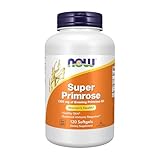
Evening primrose oil. Community use is strong; trial data is limited. Low-risk 3-month trial. Full article →
Black cohosh. Mixed evidence; reasonable short-term try if you want a non-hormonal option. Liver safety signal is rare but real. Full article →
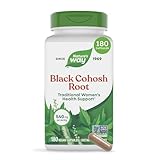
Nature's Way Black Cohosh Root
Best for:Hot flashes (short-term try)
Supporting supplements (not direct hot-flash agents but relevant)
Magnesium glycinate. Doesn’t directly reduce flash frequency, but improves the sleep disruption that hot flashes cause, which matters a lot.

Pure Encapsulations Magnesium Glycinate
Best for:Sleep disruption from flashes
Omega-3 (EPA+DHA). Small effect on hot flashes; real effect on general cardiovascular and joint outcomes worth having anyway.
Vitamin D3. Foundational. Won’t reduce flashes but supports bone density and mood.
Popular but weak evidence
Maca. Underwhelming in rigorous trials despite heavy social-media presence.
Red clover isoflavones. Weak and inconsistent trial data; avoid if hormone-sensitive cancer history.
DIM (diindolylmethane). Marketed on the questionable “estrogen dominance” framing. Weak evidence for symptom improvement.
Most “menopause relief” proprietary blends. Usually sub-therapeutic doses.
What actually works for severe symptoms
No supplement on the market reliably matches HRT’s effectiveness for severe hot flashes. If you’re having 10+ flashes a day, waking up drenched multiple times a night, or avoiding social situations, supplement ladders are not the right tool. The right conversation is with a menopause-trained clinician about HRT or prescription non-hormonal options (fezolinetant, SSRIs/SNRIs, gabapentin).
The reasonable protocol
If your flashes are mild and you want a supplement-only approach:
- Eliminate alcohol for 3 weeks as a diagnostic
- Add magnesium glycinate at night (not for flashes, for sleep)
- Try evening primrose oil for 8–12 weeks at 1,000mg twice daily
- If no improvement, try black cohosh 20–40mg twice daily for 8–12 weeks
- If still no improvement, the supplement ceiling is probably met — time for the prescription conversation
Stacking caveats
Don’t take black cohosh and high-dose isoflavones together. Don’t take multiple phytoestrogen products concurrently. Do tell your prescriber what you’re taking.