
Not everyone who is symptomatic will be a candidate for hormone therapy — some because of medical history, some because of personal preference, some because they want to try other options first. The good news: “not HRT” doesn’t mean “nothing works.” Here are the non-hormonal interventions with the most evidence, in rough order of expected benefit.
Prescription non-hormonal options (worth discussing with a clinician)
SSRIs and SNRIs. Certain antidepressants — low-dose paroxetine (Brisdelle is FDA-approved specifically for hot flashes), venlafaxine, escitalopram — reduce vasomotor symptom frequency and severity in many women, independent of any mood benefit. Often the first non-hormonal choice for moderate-to-severe hot flashes.
Gabapentin. Useful particularly for night sweats and sleep-disruptive hot flashes, dosed at night. Side effects (drowsiness, mental fog) are dose-dependent.
Oxybutynin. An anticholinergic with meaningful evidence for reducing hot flash frequency. Trade-off: dry mouth and other anticholinergic effects.
Fezolinetant (Veozah). A newer non-hormonal option (NK3 receptor antagonist) FDA-approved specifically for moderate-to-severe vasomotor symptoms. Works on the brain’s thermoregulatory center without affecting hormone levels. Worth asking about where available and affordable.
Lifestyle interventions with actual evidence
Cognitive behavioral therapy for insomnia (CBT-I). First-line treatment for chronic insomnia and validated in menopause populations. More effective than most sleep medications over the long term.
Layered clothing and bedroom cooling. Not a cure, but meaningfully reduces hot flash distress. Moisture-wicking sleepwear, fan near the bed, cooling mattress pads — these are under-rated.

Vornado Pivot 3 Personal Air Circulator
Best for:Bedside hot-flash support
Alcohol reduction. Alcohol is a robust hot flash trigger for many women. Cutting back — even eliminating evening drinks — often reduces night sweats noticeably within a few weeks.
Regular resistance training. Protects against the menopause-associated drop in lean mass, supports bone density, and tends to improve sleep and mood.
Mindfulness-based stress reduction. Better evidence for quality-of-life outcomes than for hot flash frequency specifically, but both matter.
Supplements with the most consistent support
Remember: supplements aren’t a substitute for HRT where HRT would be clinically appropriate. They’re reasonable additions or alternatives when HRT isn’t on the table.

Pure Encapsulations Magnesium Glycinate
Best for:Sleep disruption

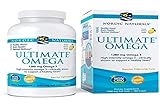
Nordic Naturals Ultimate Omega
Best for:Brain fog and joint pain
See our full supplement guide for evidence-weighted rankings across symptoms.
What to avoid (or at least watch)
- Unvetted “menopause detoxes” or proprietary-blend products with unclear dosing
- High-dose isoflavones if you have a history of hormone-sensitive cancer (ask your oncologist)
- Compounded “bioidentical” pellets marketed as non-HRT alternatives — these contain hormones
- Any product making disease-treatment claims (those aren’t legal for supplements)
A note on severity
If your symptoms are severe — profound sleep disruption for months, daily hot flashes interfering with work, brain fog that’s affecting your job performance — the non-hormonal options are often partial solutions. Not because they’re worthless, but because nothing else hits vasomotor symptoms as reliably as HRT does. If you’ve tried the non-hormonal path and you’re still struggling, it’s reasonable to revisit the HRT conversation with a menopause-trained clinician — even if your primary provider previously steered you away from it.