
The aching hips, knees, and shoulders that arrive in perimenopause — often without a clear cause — are one of the most under-discussed physical signs of hormonal transition. And they respond to treatment better than most people are told.
The pattern
- Achy joints without injury, often bilateral
- Morning stiffness that takes an hour or more to loosen
- Shoulder, hip, or hand pain particularly common
- Frozen shoulder appearing out of nowhere
- Tendinopathies (tennis elbow, plantar fasciitis) that don’t resolve
Why it happens
Estrogen has anti-inflammatory effects and modulates collagen in tendons, ligaments, and joint capsule tissues. When estrogen declines, tissues that depended on it become more inflammation-prone and slower to repair. This is increasingly recognized in menopause medicine — sometimes called the “musculoskeletal syndrome of menopause.”
What works
HRT. Often dramatic joint pain improvement within 4–12 weeks. Among the most consistently reported benefits in women who start HRT in perimenopause or early postmenopause.
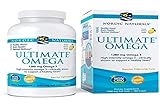
Omega-3 (EPA+DHA). Anti-inflammatory support. 1,000–2,000mg EPA+DHA daily.
Collagen peptides. Modest evidence for joint pain; stronger for tendon and skin support. 10–20g daily, 8–12 weeks.
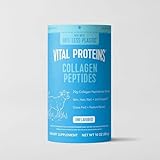
Vital Proteins Collagen Peptides
Best for:Joint + connective tissue support
Resistance training. Counterintuitive but essential — strengthened muscles protect joints, and progressively loaded movement is better for joint health than rest.
Movement daily. Walking, swimming, cycling. Joints respond badly to 10 hours of sitting.
Weight management, where relevant. Excess body weight on load-bearing joints worsens pain.
What doesn’t really work
- Glucosamine/chondroitin — evidence is mixed; modest at best for some subsets
- Turmeric/curcumin alone — modest anti-inflammatory effect
- Resting severely painful joints long-term — often worsens the problem
- “Joint pain blend” proprietary supplements
Red flags to not attribute to menopause
- Single joint, severe, swollen, hot → evaluate for inflammatory arthritis or infection
- Morning stiffness over 60 minutes + multiple joint involvement + family history → evaluate for rheumatoid arthritis
- Joint pain with rash, fatigue, fevers → rule out autoimmune
- Fracture from minor fall → bone density evaluation warranted
What the conversation should include
If joint pain is prominent in your perimenopause picture, it’s worth specifically naming for your clinician. “I’d like to discuss whether HRT might help with my joint symptoms” opens a conversation that often gets missed when joint pain is pattern-matched only to orthopedics or rheumatology.